


Understanding the Importance of Fire Safety: A Critical Responsibility for Businesses
October is designated as Fire Prevention Month, a timely reminder for businesses to prioritize their fire safety practices. The scope of fire prevention extends far beyond the installation of fire alarms. The safety of a commercial building is a complex interplay of systems, including maintaining clear exits, ensuring electrical equipment is in optimal condition, and regularly testing fire alarms. With effective strategies in place, businesses can significantly mitigate the risk of fire incidents.
Key Areas for Review and Compliance
Businesses should conduct a thorough review of several important areas highlighted on fire safety checklists. Issues such as blocked exits, malfunctioning fire extinguishers, overloaded circuits, and outdated alarm systems can significantly increase fire-related risks. Many of these safety violations are surprisingly straightforward to rectify. Yet, they frequently go unnoticed, leading to dire consequences.
To proactively address these concerns, business owners and property managers should initiate a walkthrough of their premises. Ensure that emergency exits are easily accessible, fire protection equipment is positioned for quick access, and that storage practices do not infringe upon safety systems. Regular internal inspections often unveil hazards that could otherwise go unnoticed, preventing potential disasters before they escalate. In addition to physical checks, documenting the condition of fire safety equipment, such as fire alarms and extinguishers, can provide insightful data for ongoing evaluations.
Importance of Regular Inspections and Internal Checks
Regular fire inspections are essential for identifying hazards and ensuring the functionality of critical safety systems. Alarmingly, most commercial failures during fire safety inspections result from preventable oversights such as blocked exits and poorly maintained safety equipment. Rather than waiting for formal inspections, businesses should develop a culture of continuous internal checks. This proactive approach not only fosters a safer environment but ensures compliance with local fire codes based on various factors, including location and building type.
It's beneficial to enlist the help of fire safety professionals who can conduct thorough assessments. Business owners may also consider joining local business associations or community groups focused on fire safety, which can provide valuable insights and resources.
Understanding Fire Alarm Systems
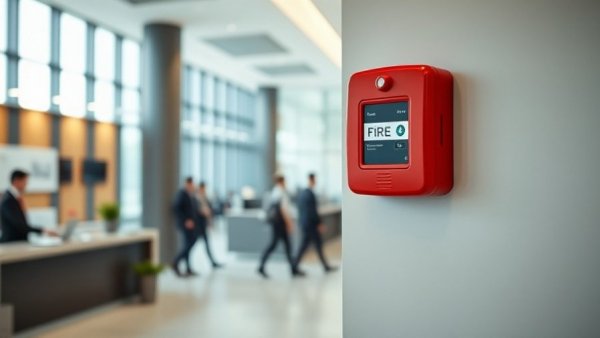
Fire alarm systems are pivotal in commercial fire protection strategies. However, possessing a system is just the starting point; ongoing testing, inspection, and maintenance are crucial to ensure reliability. Routine testing helps detect issues with components or connections before they lead to failures in emergencies. Furthermore, understanding how these systems operate and the different components involved can greatly benefit businesses, preparing them for potential fire situations. Employees should be trained on the purpose of alarms and the significance of responding promptly when they sound.
Legal Requirements and Best Practices
Beyond mere compliance with OSHA guidelines, businesses must also navigate various state and local fire codes, insurance requirements, and industry regulations. It is crucial for businesses to stay informed about changes in legislation that impact fire safety laws in their area. While the bare minimum might fulfill legal obligations, a truly effective fire safety plan encompasses comprehensive checks and measures that extend beyond just the fire alarm system.
Consulting with local fire departments can provide further clarity on specific obligations and best practices tailored to the business's operation type. Engaging fire safety consultants can also prove beneficial, ensuring that businesses not only meet but exceed fire safety standards.
Addressing Electrical Safety Hazards
One of the significant contributors to commercial fires lies in electrical equipment and wiring. Damage, overloads, or improper installations often pose serious fire risks. Businesses should be diligent in identifying electrical hazards and adhering to best practices to minimize the risk of electrical fires. This includes regular checks of wiring and connections, and not overloading electrical outlets with too many devices.
Moreover, installing surge protectors and using high-quality electrical components can contribute to safety. Employees should also be trained to recognize signs of electrical issues, such as flickering lights or warm outlets, which can indicate deeper problems that require immediate attention.
Tailoring Fire Safety Measures to Business Type
Different types of businesses face unique fire risks, from restaurants to warehouses. Each requires tailored fire safety precautions based on specific hazards. For example, a restaurant may need extra measures to combat grease fires, while a warehouse could face hazards associated with flammable materials. Developing a strong commercial fire safety program means integrating various elements: prevention, preparation, properly maintained equipment, regular testing, and a clear response plan in the event of an emergency.
Practical Steps for Success
To further enhance fire safety in commercial spaces, consider implementing smart technology solutions. Tools like smart fire alarms, home security sensors, and smart video surveillance systems can revolutionize safety protocols. In addition, integrating automation with existing systems promises improved efficiency and effectiveness in monitoring and emergency responses.
The integration of technology into fire safety measures not only promotes a secure environment but also elevates operational awareness among employees. Educating staff members on emergency procedures, conducting regular fire drills, and utilizing innovative technology can be lifesaving. Employers should foster an environment where questions about fire safety can be asked freely, and everyone feels empowered to speak up if they notice potential hazards.
Final Thoughts: The Importance of Taking Action
In summary, Fire Prevention Month serves as a crucial opportunity for businesses to reassess and enhance their fire safety protocols. By diligently reviewing key areas, abiding by legal requirements, and harnessing technological advancements, companies can create a safer working environment. It’s time for business leaders to take action: schedule those inspections, conduct internal reviews, and consider integrating best smart security systems to elevate your fire safety measures. Remember, a commitment to fire safety not only protects infrastructure but also safeguards the lives of employees, customers, and the community at large.




Write A Comment