


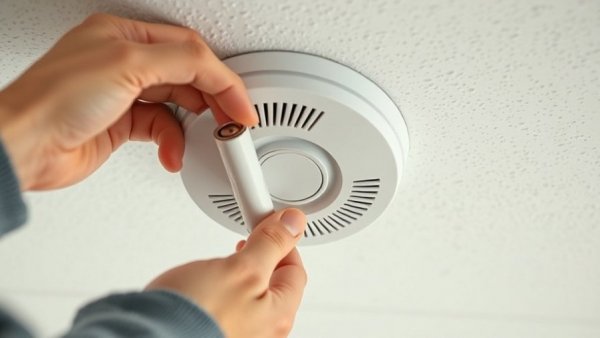
Is It Time to Replace Your Smoke Alarm?
Smoke alarms play a crucial role in keeping your home and family safe from the dangers of fire. But how often do you think about their age? If you haven’t checked the age of your smoke alarms recently, now is a good time to do so. Generally, fire officials recommend replacing smoke alarms every 10 years. If your home was built or renovated after 2015, you might have alarms that adhere to Massachusetts’ updated fire codes, which mandate replacement smoke alarms to be fitted with sealed, 10-year batteries. Knowing the installation date of your smoke alarms can be essential, especially for families and seniors, who may be at greater risk in the case of a fire emergency.
Understanding the Lifespan of Smoke Alarms
As we approach 2025, Massachusetts fire officials are warning homeowners that many smoke alarms installed after 2015 are reaching the end of their useful lives. However, the issue isn't limited to alarms installed in 2015. Aging smoke alarms, irrespective of when they were installed, can fail to sense smoke or fire effectively. In homes, especially those located in rural areas or high-crime neighborhoods where safety may be a heightened concern, a functioning smoke alarm is particularly crucial for quick emergency response. Whether your alarms are battery-operated, hardwired, or part of a sophisticated fire alarm system, understanding their age and functionality is essential for safety.
Smoke Alarms vs. Smoke Detectors: What's the Difference?
It’s vital to note that smoke alarms and smoke detectors are not the same. Smoke alarms are standalone units equipped with a sensor to detect smoke and a built-in alarm for alerting occupants. They typically either rely on batteries or may be hardwired with a battery backup. Conversely, smoke detectors are components integrated into a fire and security system connected to a control panel. For homeowners that may not be familiar with the specifics, it is important to recognize that each device type serves a distinct purpose in maintaining safety in your home.
Why Maintenance Matters
Smoke alarms require periodic replacement due to their reliance on batteries, while smoke detectors operate effectively for many years without a set expiration. A key point to remember is that your smoke alarm should be replaced every 10 years or immediately if you cannot find the manufacturing date. In addition, many alarms combine smoke detection with carbon monoxide detection; these may have shorter lifespans and require specific replacement dates. Since carbon monoxide is colorless and odorless, alarms that include this feature can be life-saving, making it even more important to keep tabs on their condition.
Safety First: Testing Your Devices
Regular testing of your smoke alarms and detectors is crucial. Even if the devices were installed recently, ensure they are functioning properly. Most alarms have a simple test button; press it to verify the alarm’s sound. For smoke detectors, although they don’t have a lifespan like smoke alarms, it’s recommended to test them every month to ensure they remain operational. Furthermore, educating children and family members on how to respond when the alarm goes off can save lives. Knowing escape routes and having a family meeting spot outside the home is an effective safety measure that complements the technology of smoke alarms.
Future Trends in Fire Safety Technology
With advancements in technology, fire safety devices are becoming smarter and more interconnected. Smart smoke alarms can now connect to your smartphone, providing real-time alerts and notifications even when you’re away. These advancements herald a new era of home security that combines traditional alarms with smart technology for an enhanced safety net around your home. Features like remote monitoring, in-app alerts, and the ability to silence false alarms through your phone can dramatically enhance your peace of mind, particularly for busy parents or seniors who may not always be right there when an alarm goes off.
Take Action: Evaluate Your Safety
To ensure your home is equipped with fully operational smoke alarms, I encourage you to check the installation dates of your devices. If any alarms are over 10 years old or if you’re uncertain about their age, now is the time to replace them. Protecting your loved ones from potential fire hazards should always be a priority. Further, replacing your smoke alarms with newer models that feature smart technology can provide added features for safety awareness and emergency management. Be proactive rather than reactive when it comes to safety.
As a takeaway, investing in smart safety solutions, perhaps in addition to new smoke alarms, like the best smart home surveillance systems, will enhance your home security. Consider smart motion detectors and home security sensors that work in conjunction with your smoke alarms for an integrated safety approach. By utilizing a blend of traditional and modern technology, families can stay safer than ever. In a world where home safety extends beyond mere installation, making informed choices about the longevity and capabilities of your devices can be the difference that protects your family from unforeseen dangers.





Write A Comment